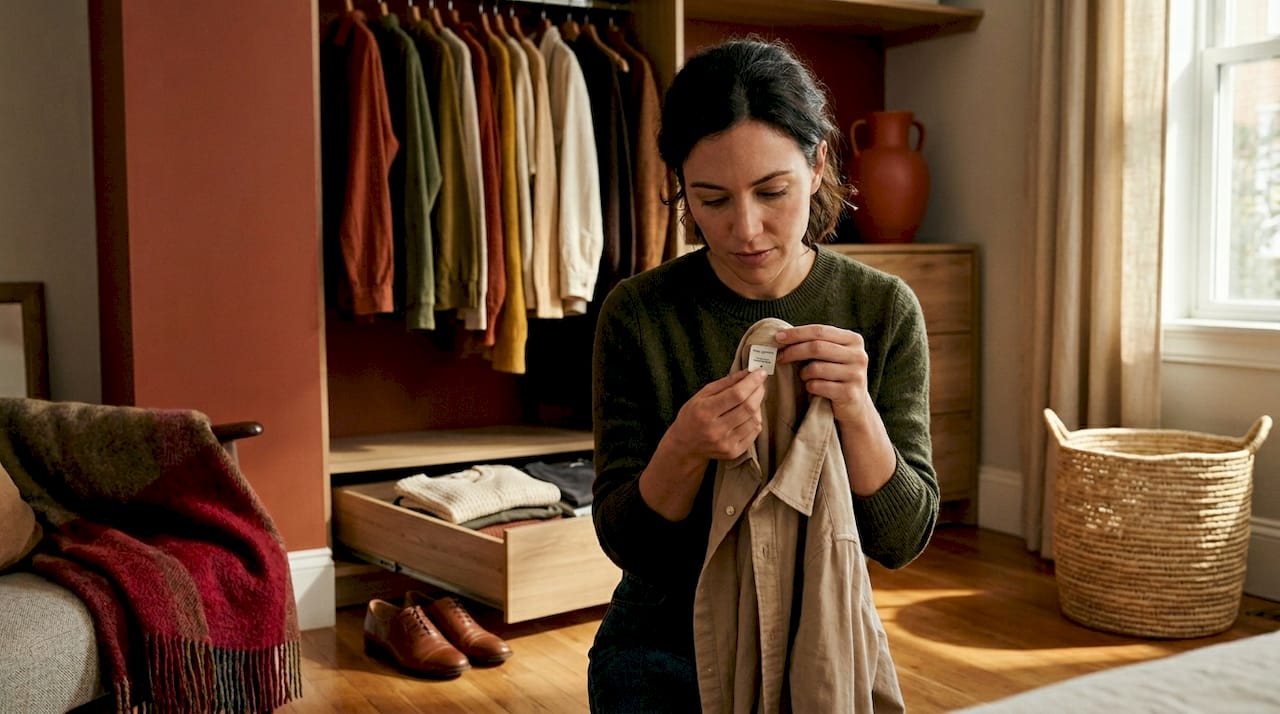
You’ve been there before. You buy a cute top at a great price, wear it twice, and it already looks washed out or stretched. Learning to identify quality affordable fashion before you buy is the skill that separates a wardrobe full of regrets from one that actually works for you. This guide gives you the exact tools to read fabrics, inspect construction, shop smarter, and build a closet that lasts without spending more than you need to.
Table of Contents
- Key takeaways
- How to identify quality affordable fashion through fabric
- Spotting quality construction beyond the fabric
- Smart shopping strategies for affordable fashion
- Applying the investment dressing checklist before you buy
- Common mistakes that fool even careful shoppers
- My take on quality affordable fashion and why it changed how I shop
- Shop quality affordable fashion at Netzbay
- FAQ
Key takeaways
| Point | Details |
|---|---|
| Fabric composition matters most | Natural fibers like cotton and linen signal better durability and comfort than high polyester blends. |
| Construction details reveal quality | Even stitching, quality zippers, and aligned patterns show a garment is built to last. |
| Cost-per-wear beats sticker price | A pricier piece worn many times costs less per use than a cheap item worn twice. |
| Use a 7-point checklist | Evaluate silhouette, fabric, fit, repairability, versatility, resale value, and ethical supply before buying. |
| Secondhand is a smart shortcut | Consignment and resale platforms let you find quality affordable fashion at a fraction of retail cost. |
How to identify quality affordable fashion through fabric
The fabric label is the first thing you should check. It tells you exactly what you are buying before you even feel the garment. Natural fibers like cotton, linen, wool, and silk have a track record of durability, breathability, and comfort that synthetic blends simply cannot match consistently.
Here is what each major fiber type signals:
- Cotton: Breathable, washable, and durable. Look for higher thread counts in wovens and tighter knit structures in jerseys. A dense, smooth cotton fabric indicates quality. A thin, loosely knit cotton will pill and lose shape fast.
- Linen: Slightly stiff when new but gets softer with wear. Linen is one of the most durable natural fibers and holds up well over years of washing.
- Wool: Excellent for outerwear and knitwear. Look for merino or lambswool designations for softness. Wool resists odor, regulates temperature, and bounces back to shape after wear.
- Silk: Naturally lustrous and lightweight. Genuine silk feels cool and smooth. Polyester satin is often sold as a silk alternative, but it traps heat and pills quickly.
- High polyester blends: Polyester usage rose from 75% in 2023 to 81.5% in 2024 among fast-fashion retailers. High polyester content is a direct indicator of lower garment quality. It pills, traps odor, and loses shape after repeated washing.
Reading the label takes ten seconds and saves you from a bad buy. A fabric that is 95% cotton or 80% wool is a much safer bet than one that reads 60% polyester, 30% viscose, 10% elastane.
Pro Tip: Technical fabrics like nylon or moisture-wicking polyester blends are actually appropriate for activewear and performance pieces. Context matters. The concern with polyester is specifically in everyday clothing like blouses, trousers, and dresses where breathability and longevity are priorities.
Quality fabrics feel substantial, breathe well, and drape naturally. If a fabric feels plastic-like or overly stiff in a bad way, trust that instinct.
Spotting quality construction beyond the fabric
Fabric is only half the story. A well-made garment shows its quality in how it is put together. Here is a step-by-step approach to inspecting construction when you shop in store or review product photos online.
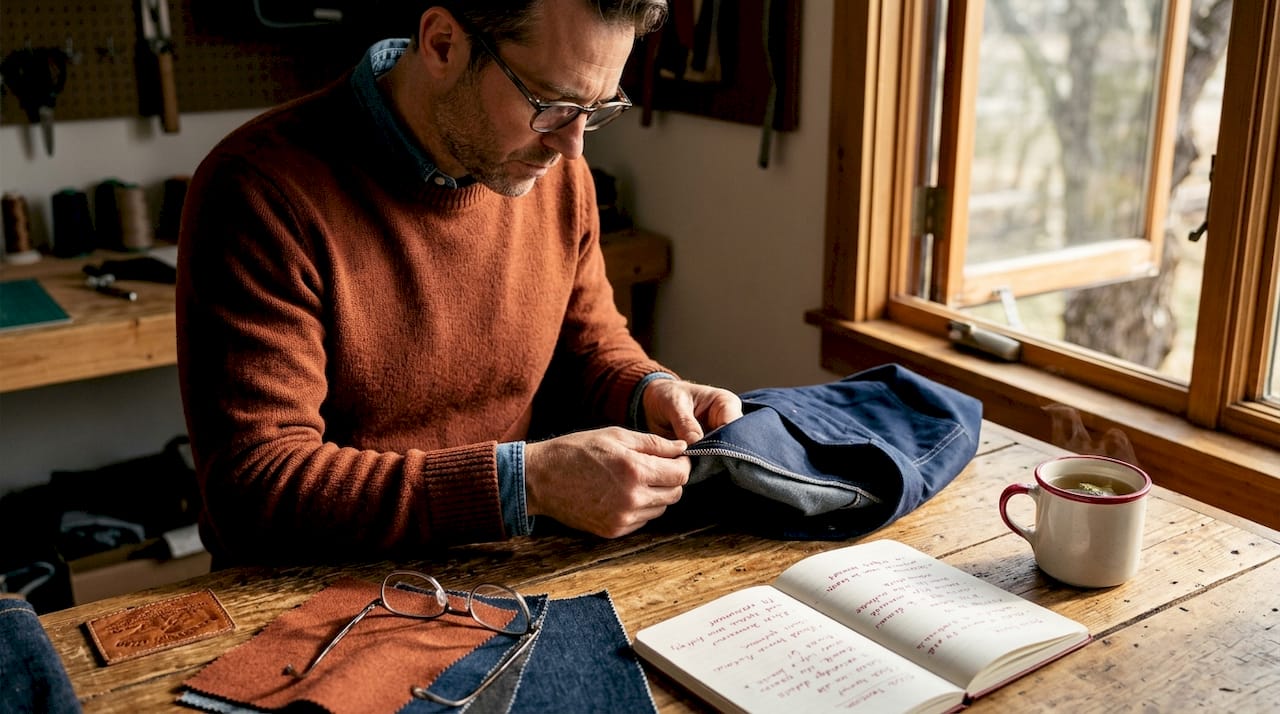
- Check the stitching. Run your fingers along the seams. Stitches should be tight, even, and consistent. Loose or skipped stitches mean the seam will unravel with wear. Count the stitches per inch if you can. More stitches per inch generally means a stronger seam.
- Look at the hardware. Zippers, buttons, and clasps tell you a lot. Metal zippers from manufacturers like YKK are a recognized quality marker. Plastic zippers on anything other than casual wear are a warning sign. Buttons should feel solid and be sewn on tightly with a thread shank underneath.
- Inspect the hems. A hand-rolled hem or a cleanly finished machine hem signals care. Glued or fused hems, which you can spot by a slightly stiff edge, tend to separate after washing.
- Check pattern matching at seams. Aligned prints at seams cost more fabric and production time, which is why fast fashion skips it. Misaligned stripes or plaids at a seam are a clear shortcut signal.
- Examine the lining. Natural fiber linings like cotton or viscose breathe better and feel more comfortable than polyester linings. A quality lining also protects the outer fabric and helps the garment hold its shape.
- Look inside the garment. Serged edges with no additional finishing are acceptable on casual basics but are a fast-fashion shortcut on anything positioned as elevated or structured.
- Check seam allowances. Generous seam allowances mean the garment can be taken in or let out by a tailor. Skimpy allowances leave no room for alterations, which shortens the useful life of the piece.
Pro Tip: When shopping online, zoom into the product photos and look for interior shots. Brands that show the inside of a garment are usually confident in their construction. If there are no interior photos, check the reviews for comments about stitching or durability.
Meticulous construction details like pattern matching and strong buttons are reliable indicators of a garment built to last through regular wear and washing.
Smart shopping strategies for affordable fashion
Knowing what to look for is only useful if you also know where to shop and when to buy. A few strategic habits will help you find affordable fashion that genuinely delivers on quality.
- Prioritize brands with a reputation for quality basics. Some brands consistently deliver durable pieces below $100. Brands like Uniqlo and COS offer well-constructed staples that qualify as genuine investments by cost-per-wear standards. Research before you buy rather than relying on price alone.
- Be cautious with outlet stores. Factory-store items may have reduced fabric quality and construction features compared to mainline products. Always apply your fabric and construction checks at outlets rather than assuming the brand name guarantees quality.
- Explore secondhand and consignment platforms. Resale is one of the smartest ways to find quality affordable fashion. You can often find well-made pieces from reliable brands at 30 to 70 percent below retail. The garment has already proven it can survive wear and washing, which is a quality test in itself.
- Shop off-season. End-of-season sales on coats, boots, and structured pieces offer the best value. These are exactly the categories where quality matters most and where spending a little more pays off over years of use.
- Look for transparent supply chain information. Brands that share where and how their garments are made tend to hold themselves to higher standards. A repair policy or take-back program is another signal that a brand believes in the longevity of what they sell.
- Avoid trend-driven impulse buys. A piece you buy because it is everywhere right now will feel dated in one season. Budget-friendly fashion tips consistently point to the same truth: buy what fits your existing wardrobe, not what is trending this week.
Applying the investment dressing checklist before you buy
Before any purchase, run through this 7-point affordable fashion investment pieces checklist. Items that meet at least 5 of these 7 criteria are worth buying, even at a slightly higher price point.
- Timeless silhouette: Will this look relevant in three to five years?
- Quality fabric: Does the composition label show natural or performance fibers?
- Good fit: Does it fit well now, or would it need significant alterations?
- Repairability: Does it have generous seam allowances and replaceable hardware?
- Versatility: Can you wear it at least three different ways with what you already own?
- Resale value: Would this hold value on a secondhand platform?
- Ethical supply: Does the brand share production information or have a repair policy?
The cost-per-wear formula is the clearest way to evaluate value. Divide the price of the garment by the number of times you realistically expect to wear it. Fashion experts consistently recommend this approach to cut through misleading price impressions.
| Piece | Price | Estimated wears | Cost per wear |
|---|---|---|---|
| Quality wool coat | $180 | 120 wears over 4 years | $1.50 |
| Fast fashion coat | $45 | 15 wears over 1 season | $3.00 |
| Quality white shirt | $65 | 80 wears over 3 years | $0.81 |
| Fast fashion blouse | $18 | 8 wears before pilling | $2.25 |
The numbers make the case clearly. A $180 coat worn consistently costs half as much per wear as a $45 coat that falls apart in a season. A $240 dress worn 25 times a year over four years yields a $2.40 cost-per-wear, compared to $6.00 for a cheaper dress worn fewer times.
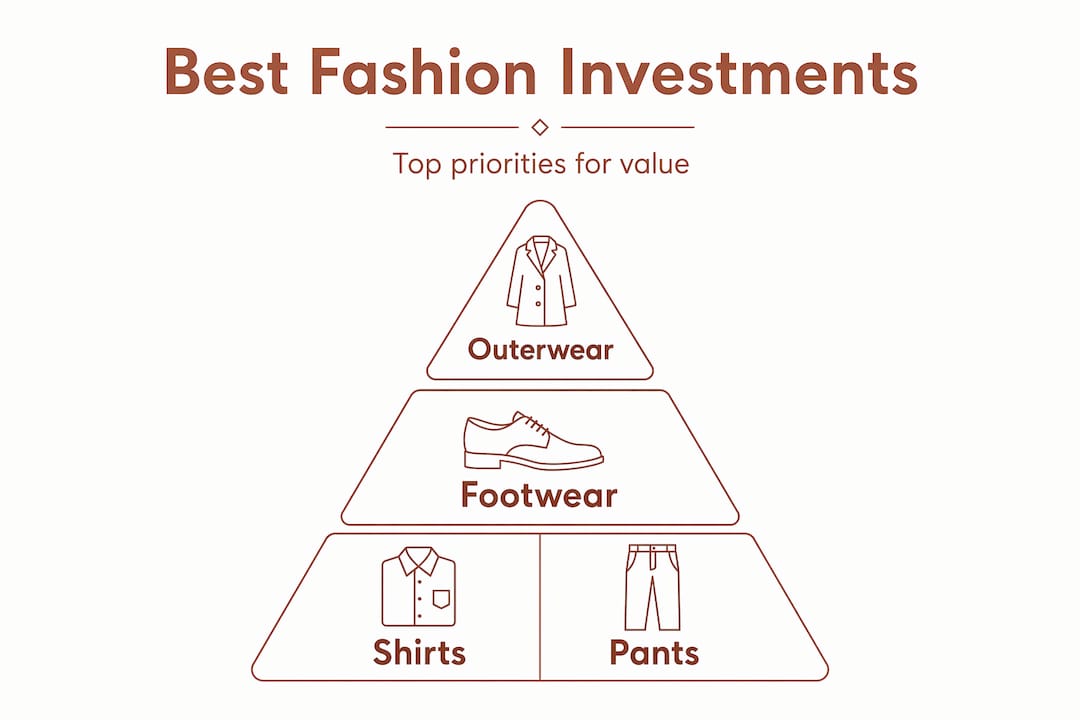
Allocating more budget to outerwear and footwear delivers greater long-term value than spreading spending thin across lots of cheap basics. Prioritize your coat, your shoes, and one or two structured pieces. Fill in the rest with affordable basics that pass the fabric and construction checks above.
Common mistakes that fool even careful shoppers
Even with the right knowledge, a few traps catch people off guard. Here is what to watch for.
- Trusting price as a quality signal. Price and quality are not the same thing. An expensive price tag does not mean a garment is well-made, and a low price does not automatically mean it is poor quality. Always check the fabric and construction yourself.
- Ignoring vague fabric labels. Labels that list only “fabric” or “material” without a fiber breakdown are a red flag. Reputable brands always disclose full fiber composition.
- Falling for marketing buzzwords. Terms like “premium feel,” “luxe finish,” or “high-quality materials” mean nothing without specifics. Look for actual fiber percentages and construction details.
- Skipping the review check. For online purchases, filter reviews by lowest rating and look specifically for comments about durability, pilling, shrinkage, and color fading after washing. These are the most reliable quality signals from real buyers.
- Not checking the return policy. Before buying anything online, confirm the return window and process. A brand with a generous return policy is more confident in its product than one that makes returns difficult.
“The goal is not to buy less. The goal is to buy better. One piece that lasts three years costs less and causes less frustration than five pieces that fall apart in a season.”
My take on quality affordable fashion and why it changed how I shop
I spent years buying whatever was on sale and wondering why my closet felt full but useless. The turning point came when I started applying the same logic to clothing that I would apply to any other purchase: what is the actual cost over time?
What I’ve learned is that the quality gap between fast fashion and genuinely well-made affordable pieces is visible if you know where to look. The stitching, the fabric weight, the way a zipper feels. These are not luxury details. They are basic construction standards that any decent garment should meet, regardless of price point.
In my experience, the optimal range for durable pieces without paying for luxury branding sits between $100 and $500. That is not out of reach for most people when you stop buying ten cheap things and start buying two good ones.
What I’ve found actually works is building from the outside in. Coat first. Shoes second. Then structured pieces like a blazer or quality trousers. Basics like t-shirts and casual tops can be affordable without much scrutiny. But the pieces that frame your whole outfit deserve real attention.
The financial and environmental benefits compound over time. Fewer purchases, less waste, more confidence in what you wear. That is what a quality affordable fashion strategy actually delivers.
— Netzbay
Shop quality affordable fashion at Netzbay
Ready to put this guide into practice? Netzbay curates stylish clothing pieces that balance modern trends with real quality, so you are not left guessing whether what you are buying will last.
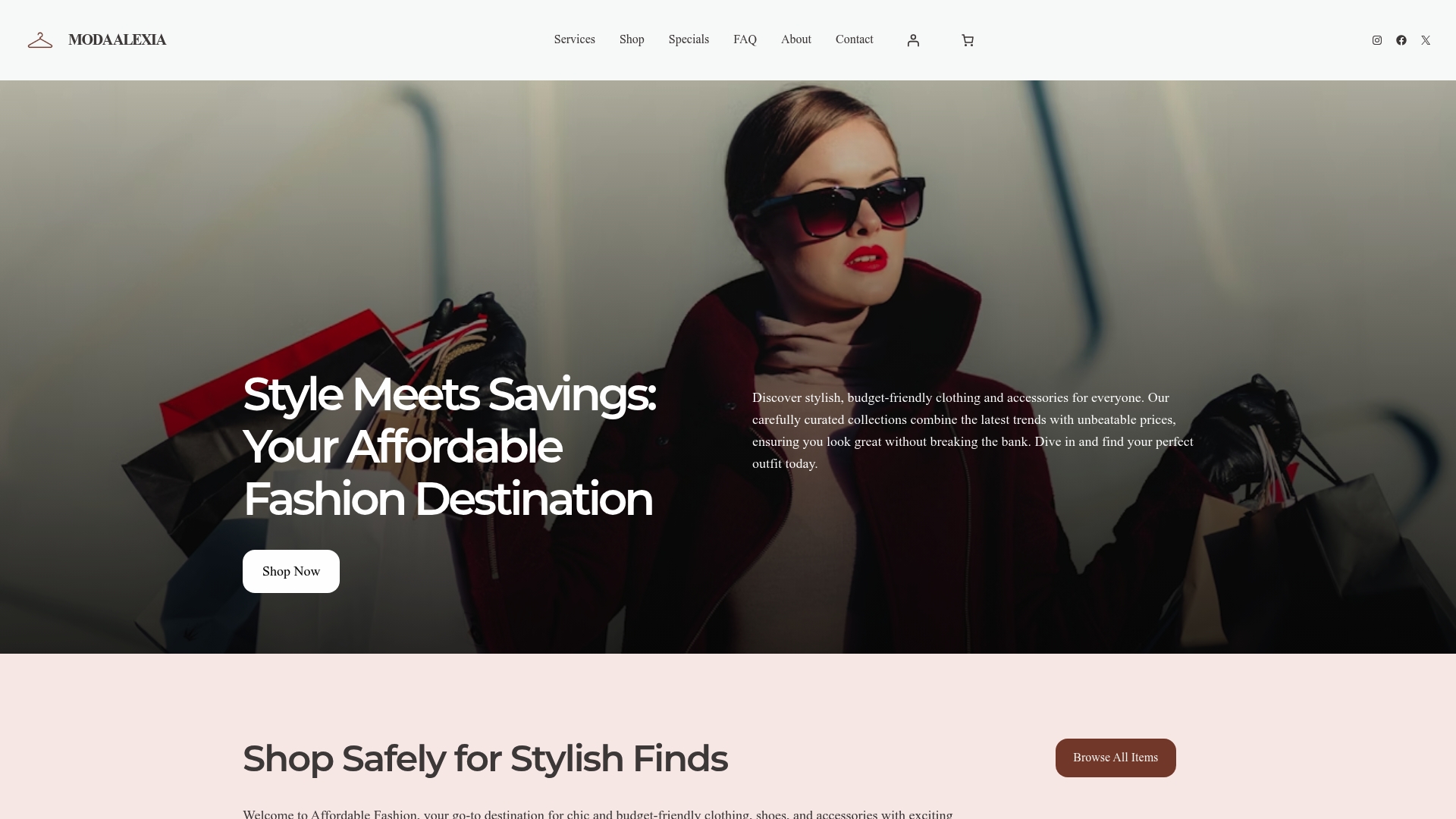
Every piece in the Netzbay collection is selected with the budget-conscious shopper in mind. You get the style you want at prices that make sense, backed by authentic customer reviews you can trust. Browse the current specials for deals on seasonal staples, or explore personalized shopping services that help you build a versatile wardrobe without the guesswork. Whether you are refreshing your basics or adding a standout piece, Netzbay makes it easy to shop smart and look great.
FAQ
How do I identify quality affordable fashion quickly?
Check the fabric composition label for natural fibers, inspect stitching along the seams for consistency, and test hardware like zippers and buttons for solidity. These three checks take under two minutes and catch most quality issues before you buy.
What fabrics signal the best quality in budget clothing?
Cotton, linen, wool, and viscose blends are the most reliable quality signals in affordable fashion. High polyester content, particularly above 60%, is associated with lower durability and comfort in everyday garments.
Is cost-per-wear a reliable way to evaluate affordable fashion?
Yes. Dividing the garment price by expected wears gives you the true cost of ownership. A $65 shirt worn 80 times costs less per wear than an $18 shirt worn only 8 times before it pills or fades.
Are outlet store clothes the same quality as mainline products?
Not always. Factory-store items sometimes use reduced fabric quality and simplified construction compared to mainline versions of the same brand. Always apply your own fabric and construction checks at outlets rather than relying on the brand name alone.
What is the smartest category to spend more on for long-term value?
Outerwear and footwear deliver the greatest return on a slightly higher investment. These pieces are worn frequently, visible in every outfit, and built to endure daily use, making quality construction especially worth prioritizing in these categories.
Leave a Reply