
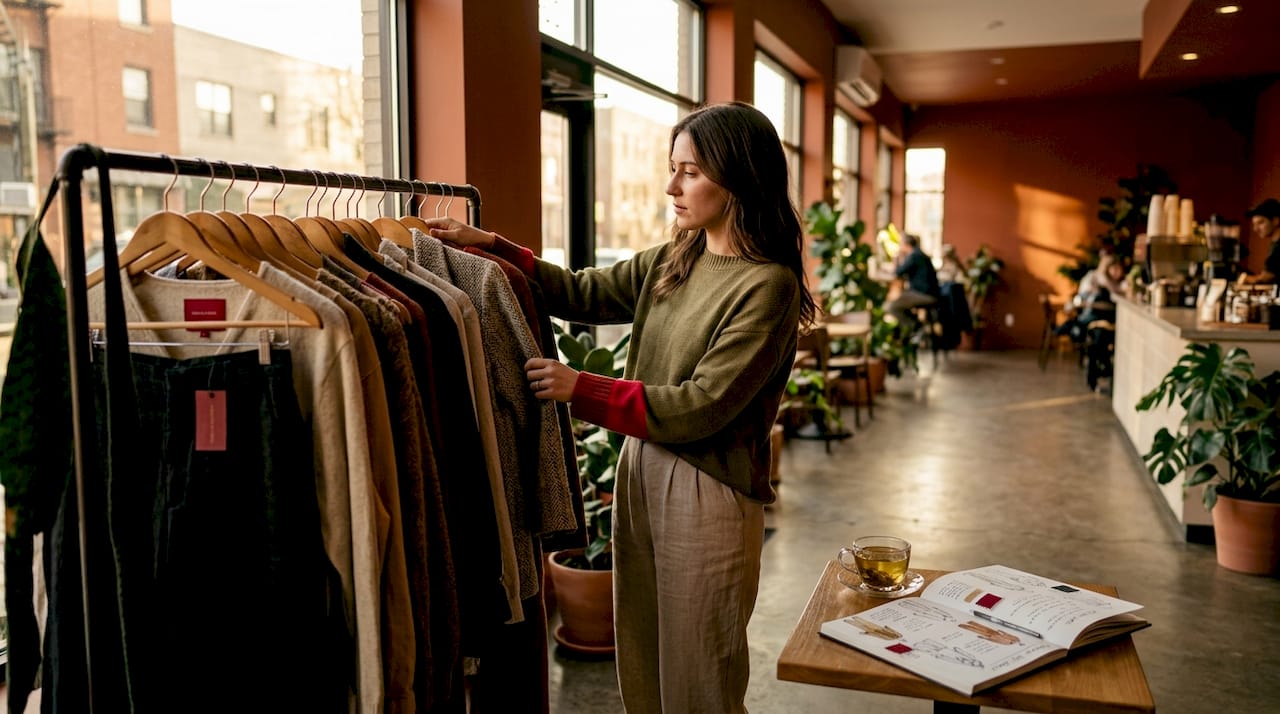
What you wear every morning is one of the most personal decisions you make. Understanding how fashion self-expression works goes far beyond picking colors or following trends. Your clothing choices send signals about who you are, what you value, and where you belong, all before you say a single word. This article breaks down the psychology, cultural forces, and practical strategies behind fashion as self-identity, so you can dress with more intention and confidence every day.
Table of Contents
- Key takeaways
- How fashion self-expression works
- Cultural and social forces behind your style
- Fashion’s real impact on mental health
- Digital culture and social media’s role in style
- Practical strategies for expressing yourself through fashion
- My take on fashion and identity
- Express your style with Netzbay
- FAQ
Key takeaways
| Point | Details |
|---|---|
| Fashion is a visual language | Your clothing communicates personality, values, and mood without words. |
| Culture and community shape style | Social groups, heritage, and peer influence all drive your fashion choices. |
| Wardrobe satisfaction boosts well-being | Research links clothing confidence to better mental health and optimism. |
| Digital culture adds new pressure | Social media creates outfit repetition anxiety, pushing creative styling over more buying. |
| Authentic style beats trend-chasing | Shopping with longevity and self-awareness in mind leads to a wardrobe that truly fits you. |
How fashion self-expression works
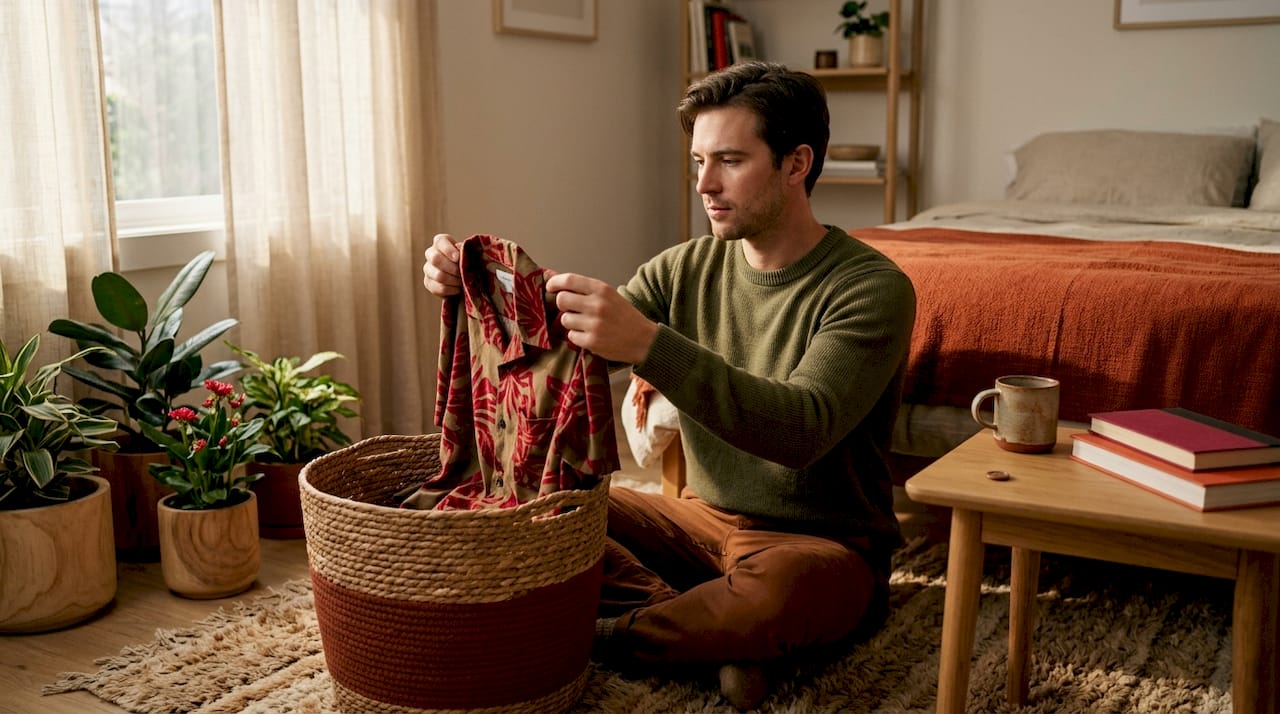
Think of your wardrobe as a visual autobiography. Every piece you choose tells part of your story. Personal style development is both a psychological and social act. It reflects your personality, your current mood, and the values you carry, sometimes all at once.
Researchers describe personal style as a mood barometer and defense mechanism, something that evolves as you gain confidence to show your genuine self. That is why a teenager’s wardrobe looks nothing like their wardrobe at 35. Style grows as you do.
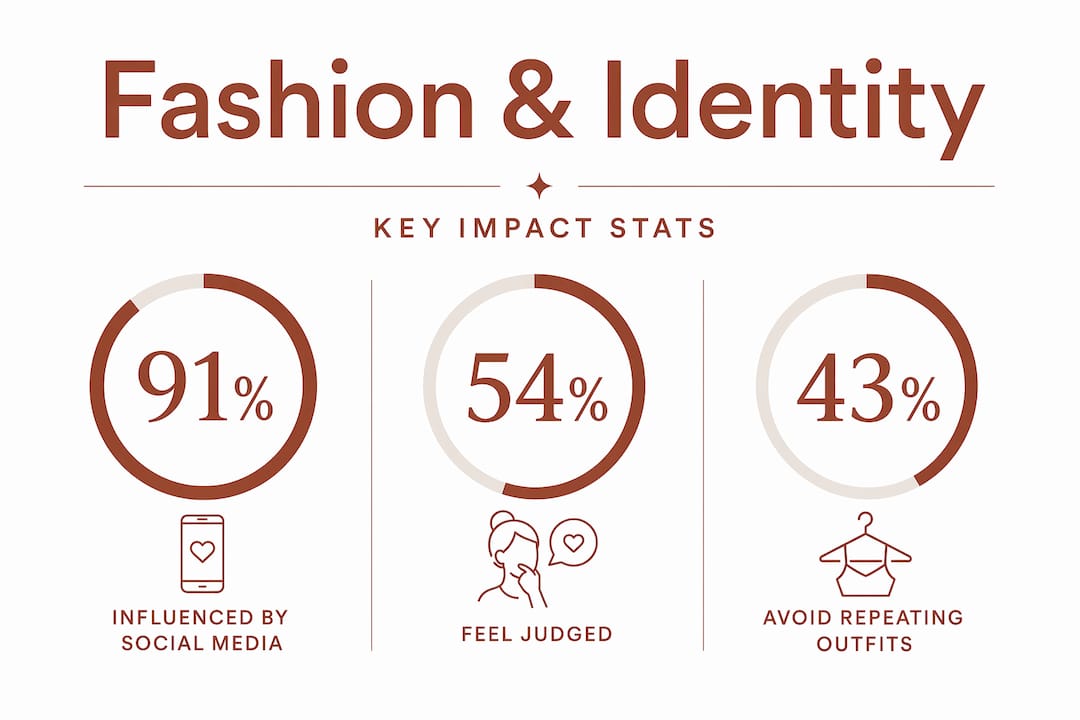
The importance of fashion expression shows up in real numbers. 76% of young adults see their style as a direct expression of their personality, and 75% link fashion choices to increased confidence. These are not vanity statistics. They reflect how deeply clothing connects to self-image.
Here is what fashion actually communicates on your behalf:
- Personality traits: Bold prints signal confidence. Minimalist neutrals often signal precision and calm.
- Group membership: A band tee, a sports jersey, or a tailored blazer all place you in a social category instantly.
- Mood and emotional state: What you reach for on a hard day versus a celebratory one is rarely the same.
- Values and beliefs: Choosing sustainable brands or thrifted pieces says something about what you prioritize.
Pro Tip: When you feel stuck in a style rut, try dressing for the mood you want to feel rather than the mood you are in. Research backs this up. The clothes you put on actively shape your emotional state, not just reflect it.
Cultural and social forces behind your style
Fashion does not happen in a vacuum. Your cultural background, your social circle, and the communities you belong to all play a significant role in shaping how you dress and what those choices mean.
“Fashion is the creativity piece where uniqueness is expressed. Growing acceptance enables more avant-garde styles without fear.” — Evolution of Fashion Expression
This shift matters. Social norms around fashion are loosening. What was once considered too bold or unconventional is now celebrated as a sign of individuality. That is a meaningful change for anyone who has ever felt pressure to dress “normally” to fit in.
Cultural clothing carries deep identity weight. A woman wearing a sari to a corporate meeting is not just making a fashion choice. She is asserting her heritage in a space that may not have historically made room for it. A young man wearing traditional West African prints in a Western city is doing the same thing. Clothing becomes a statement of belonging and pride.
Social belonging also drives everyday style decisions in ways most people do not consciously recognize:
- Workplace fashion signals professionalism and ambition, or creativity and independence, depending on the industry.
- Peer influence shapes what feels acceptable to wear, especially during formative years.
- Gender expression through clothing has expanded significantly, with more people dressing outside traditional binary expectations.
- Ability and body diversity are pushing fashion brands to rethink sizing, fit, and representation in ways that affect how people with different bodies experience self-expression through clothes.
Understanding fashion communication means recognizing that your style does not exist in isolation. It is always in conversation with the world around you.
Fashion’s real impact on mental health
The connection between what you wear and how you feel is more documented than most people realize. This is not about spending more money on clothes. It is about the alignment between your wardrobe and your sense of self.
| Mental health factor | Fashion connection | Research finding |
|---|---|---|
| Self-confidence | Wearing clothes that match your identity | 75% of young adults link style to confidence |
| Overall well-being | Wardrobe satisfaction | 67% of women satisfied with clothing report better well-being |
| Social belonging | Dressing for group identity | Wardrobe satisfaction predicts stronger sense of belonging |
| Authenticity | Clothing aligned with values | PCS scale measures clothing-to-identity alignment |
The Proximity of Clothing to Self (PCS) scale is a research tool that measures how well your clothing aligns with your beliefs, memories, and the way you want to be perceived. It goes deeper than simply cleaning out your closet. It asks whether your wardrobe actually reflects who you are.
Feeling judged for your clothing choices is a real and common experience. 54% of young adults report feeling judged based on what they wear. That judgment creates tension between authentic expression and social acceptance. The research is clear though. Caring about your wardrobe is not vanity. Feeling guilty about it is what actually reduces your well-being.
Pro Tip: Do a quick wardrobe audit with this question: “Does this piece feel like me, or does it feel like who I thought I should be?” Anything in the second category is worth reconsidering, regardless of price or trend status.
Digital culture and social media’s role in style
Social media has changed the rules of fashion self-expression in ways that are still unfolding. The pressure is real and measurable. 43% of young adults feel pressure to avoid repeating outfits online, which creates a cycle of buying more to keep up appearances.
The smarter response that many people are adopting is creative styling. 60% of young adults now buy versatile pieces they can restyle in multiple ways rather than constantly buying new items. That is a meaningful shift toward quality over quantity.
Here is how digital culture is reshaping ways to showcase personality via fashion:
- Social media as inspiration: 46% of young adults draw style inspiration from social media, 42% from street style, and 40% from peers.
- Virtual fashion and digital avatars: Online gaming platforms and virtual spaces now allow people to experiment with styles they would never wear physically, creating a new frontier for fashion as self-identity.
- Content creation pressure: Posting outfits publicly adds a layer of performance to personal style, which can push expression toward what gets likes rather than what feels authentic.
- Digital experimentation as a gateway: Trying a bold look on an avatar or in a virtual space often gives people the confidence to try it in real life.
The key is staying aware of which influences are genuinely inspiring you and which are creating anxiety. 91% of young adults say they freely express their style, yet many still feel the tension of being watched online. Authentic expression and social performance are not always the same thing.
Practical strategies for expressing yourself through fashion
Knowing how to express through fashion authentically takes some self-awareness and a few good habits. Here is a practical approach that works regardless of your budget or style starting point.
- Audit your wardrobe with honesty. Pull out everything and ask what you actually reach for versus what sits untouched. The untouched pieces reveal what you thought you should want, not what you actually do.
- Ask the right question before buying. Swap “Is this trendy?” for “How do I want to be perceived?” Shopping with that question in mind leads to purchases that last and feel right longer.
- Prioritize versatility over volume. A smaller collection of pieces you can mix and match beats a packed closet of items that only work one way. This is especially useful when navigating social media outfit pressure.
- Explore thrifting and ethical options. Second-hand shopping lets you experiment with styles at low cost, which makes it easier to take risks and discover what actually resonates with you.
- Stop buying for other people’s approval. If you are buying something because you think someone else will like it, pause. True personal style prioritizes quality, longevity, and self-questioning over trends and external validation.
- Balance comfort with confidence. The most expressive outfits are the ones you forget you are wearing because they feel so right. Discomfort, whether physical or emotional, always shows.
You can explore curated clothing options that support this kind of intentional, versatile wardrobe building without stretching your budget.
My take on fashion and identity
I have watched people transform not just their wardrobes but their entire sense of self through intentional fashion choices. And I have also seen the opposite: people who spent a lot of money chasing trends and ended up feeling less like themselves, not more.
The most common mistake I see is treating fashion as something you consume rather than something you communicate. When you buy to keep up, you are always behind. When you buy to express, you are always ahead.
Here is something most style advice gets wrong. It tells you to find your aesthetic and stick to it. But real style is not static. It shifts with your life, your confidence, and your circumstances. What matters is that your clothes keep pace with who you actually are right now, not who you were two years ago or who you think you should become.
I have also learned that fashion mishaps are not failures. They are data. That dress you bought and never wore? It told you something about the gap between your aspirational self and your actual self. That gap is worth closing, and fashion is one of the most immediate tools you have to do it.
The most confident people I have encountered are not the ones wearing the most expensive clothes. They are the ones wearing clothes that feel completely, unapologetically like them.
— Netzbay
Express your style with Netzbay
Ready to put these principles into practice? At Netzbay, we believe your wardrobe should work for you, not against your budget.
Our curated shop features stylish, budget-friendly pieces designed to support authentic personal expression at every price point. Whether you are rebuilding your wardrobe from scratch or adding versatile staples that restyle easily, you will find options that balance quality, trend awareness, and genuine individuality. Check out our current specials for curated collections that make it easy to express who you are without overspending. Every piece is backed by trusted customer reviews so you shop with confidence. Your style story deserves a wardrobe that tells it right.
FAQ
What does fashion self-expression actually mean?
Fashion self-expression is the practice of using clothing, accessories, and personal style choices to communicate your personality, values, and identity to the world. It functions as a non-verbal language that signals group membership, mood, and beliefs before you speak.
How does fashion affect your mental health?
Research shows that wardrobe satisfaction is directly linked to better overall well-being and optimism, particularly when your clothing aligns with your personal identity. Feeling judged for your choices can reduce confidence, while authentic expression tends to support it.
Can social media hurt your personal style?
Yes. Social media creates measurable pressure, with 43% of young adults feeling they cannot repeat outfits online. The healthier response is investing in versatile pieces you can restyle rather than buying more to satisfy an online audience.
How do I start developing my personal style?
Start by auditing what you actually wear versus what sits unused, then ask “How do I want to be perceived?” before every new purchase. Prioritize pieces that feel authentic and versatile over items that simply follow current trends.
What is the PCS scale in fashion psychology?
The Proximity of Clothing to Self (PCS) scale is a research tool that measures clothing alignment with your identity, beliefs, and how you want others to see you. It helps build a wardrobe that genuinely reflects who you are rather than just decluttering what no longer fits physically.
Leave a Reply